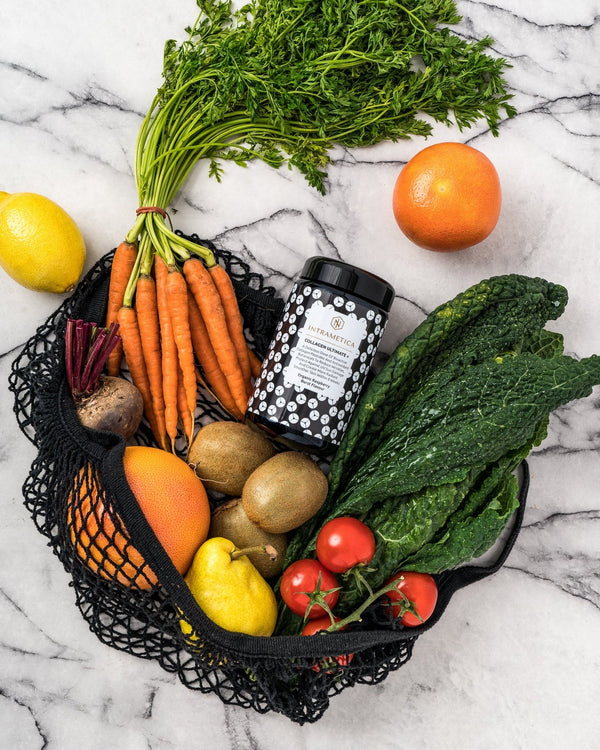
The architecture of the formula
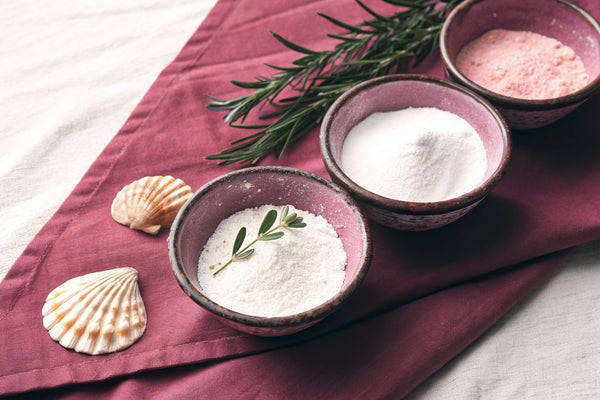
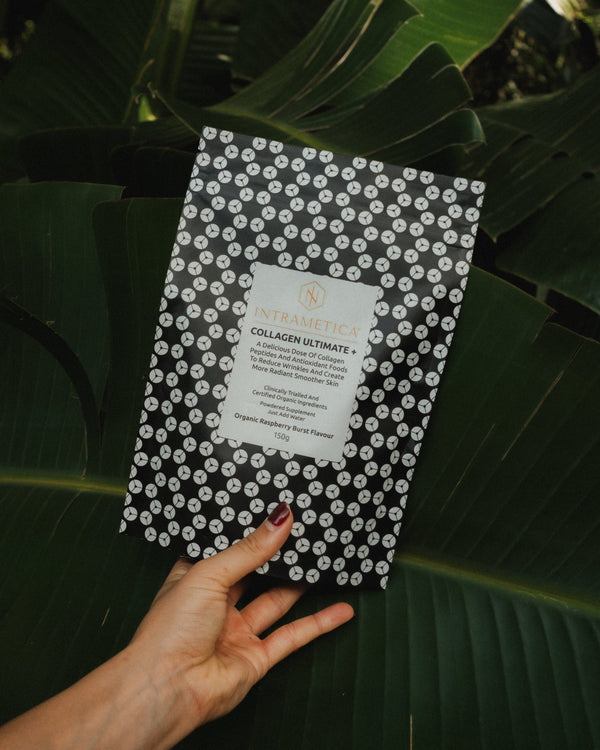
When Angela formulated Collagen Ultimate+, the design brief was deliberately not "collagen plus filler". It was: what would I prescribe a client in clinic if I could combine the marine peptide, the vitamin C, the antioxidants and the cofactor minerals into a single daily dose? The result is a three-tier structure.
Tier 1 — Substrate (50%): hydrolysed marine collagen peptides, the bioactive material your dermis uses to rebuild.
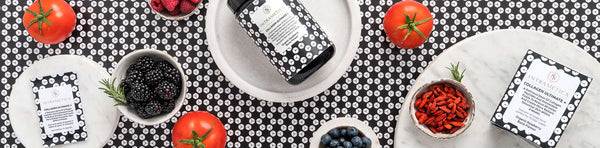
Tier 2 — Superfood antioxidant blend (28%): Astaxanthin, four natural vitamin C sources, four colour-pigment antioxidants and lycopene.
Tier 3 — Cofactor minerals: zinc gluconate and colloidal silica.
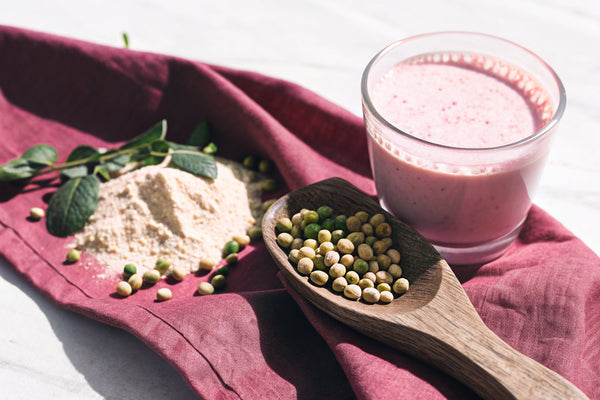
Tier 1 — Marine collagen peptides
Hydrolysed Type I peptides sourced from sustainably caught fish. The molecular weight is small enough (2,000–5,000 daltons) that peptides cross the gut wall intact and circulate in the blood for several hours. Research peptides like Pro-Hyp and Hyp-Gly have been measured in plasma after oral dosing and shown to signal fibroblast activity in skin (Watanabe-Kamiyama et al., 2010).
Tier 2 — The superfood blend
1. Astaxanthin
A red-orange carotenoid extracted from the microalga Haematococcus pluvialis. Sometimes called "the king of antioxidants", astaxanthin has been studied for skin elasticity, moisture, fine line depth and reduced UV-induced damage at doses of 4–12 mg/day (Tominaga et al., 2017). Its 3D structure lets it sit across cell membranes and protect both the water- and fat-soluble layers.
2–5. Four vitamin C sources
Vitamin C is the cofactor that the enzymes prolyl-hydroxylase and lysyl-hydroxylase need to lock collagen fibrils into their helical structure. Without sufficient C, the collagen your body makes is structurally weaker. Rather than rely on a single synthetic ascorbic acid, Collagen Ultimate+ delivers four food-derived sources:
Kakadu Plum — the highest natural vitamin C concentration of any food on Earth (up to 5,000mg/100g).
Camu Camu — Amazonian berry, 2,000–3,000mg/100g vitamin C, paired with bioflavonoids.
Acerola — South American cherry, traditional vitamin C source with proanthocyanidins.
Baobab — African superfruit, vitamin C plus prebiotic fibre.
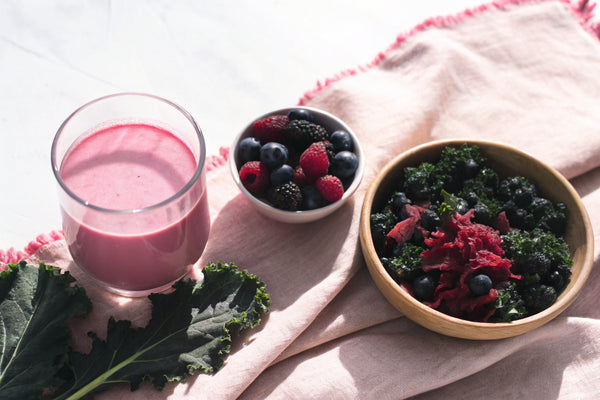
6–9. Colour-pigment antioxidants
The deeply pigmented berries supply anthocyanins and polyphenols — antioxidants that protect existing collagen from oxidative breakdown.
Maqui Berry — one of the highest ORAC (oxygen radical absorbance) scores of any food.
Goji Berry — studied for skin hydration via beta-carotene and zeaxanthin.
Beetroot — supplies betalains, which support liver detoxification (relevant for skin clarity via the gut-skin axis).
Grapeseed — proanthocyanidins; studied for skin elasticity and capillary integrity.
10. Lycopene (from tomato)
A tetraterpene that accumulates in skin and contributes to baseline photo-protection. Often studied alongside collagen for combined skin-quality outcomes.
Tier 3 — Cofactor minerals
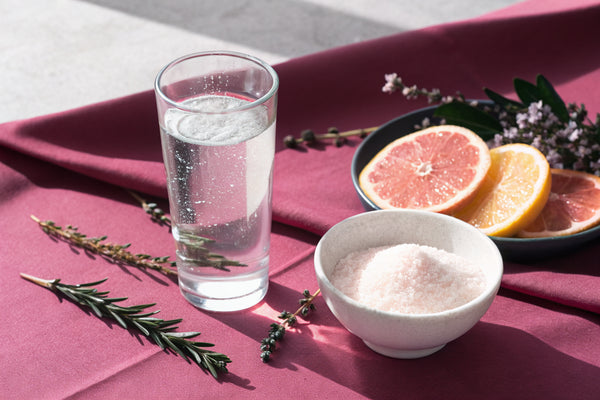
11. Zinc gluconate
Zinc is required by over 300 enzymes, including those involved in wound healing, sebum regulation and collagen cross-linking. Zinc gluconate is a well-tolerated form for daily use.
12. Colloidal silica
Silica is essential for the strength and integrity of connective tissue. It supports the formation of collagen fibrils and is particularly relevant for hair and nail outcomes.
Why the 12-part synergy matters
You could buy marine collagen, vitamin C, zinc, silica and four antioxidants separately. People in clinic try that and almost always abandon it — too many bottles, too easy to skip, too expensive over a year. Collagen Ultimate+ is one daily teaspoon. The formulation also lets the cofactors arrive in the same dose as the peptide they support, which is the practical version of how clinical trials are structured.