The protein conversation has changed
Five years ago "beauty protein" was a niche phrase. Today, the question Angela hears most often from women in their 30s and 40s is: "How much protein do I actually need, and what kind?" The clinical answer is roughly 1.2–2.0 g per kg of body weight per day — which means an active 65kg woman needs 78–130g of protein daily. Most of the women we see in clinic eat closer to 50g. The shortfall shows up everywhere: muscle mass, hair density, sleep, mood, and skin recovery.
Why we chose plant + marine, not whey
Plant protein powder avoids dairy. Many adult women have low-grade dairy sensitivity that contributes to bloating and skin flare.
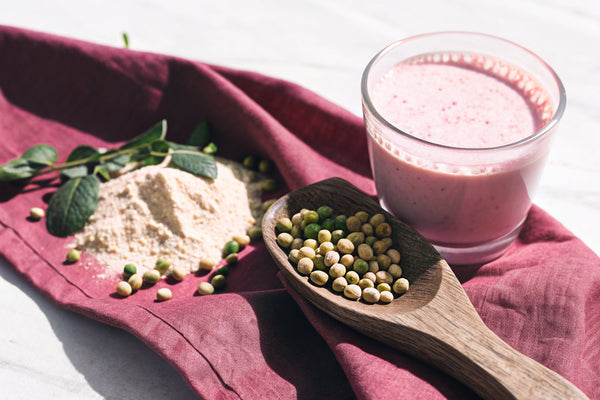
Sprouting unlocks amino acids. Soaking and sprouting seeds increases protein bioavailability and reduces anti-nutrients like phytic acid.
Bio-fermentation pre-digests the protein. Friendly bacteria partially break down the protein, producing a smoother gut experience and faster absorption.
Marine collagen fills the gaps. Plant proteins are naturally low in glycine and proline. Adding marine peptides delivers exactly those amino acids in the same scoop of Toned Protein Boost.
When Toned Protein Boost fits
1. Smoothie base for breakfast
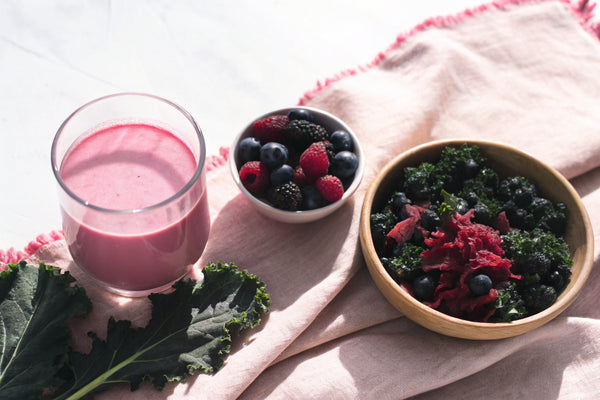
A 25g protein scoop, frozen berries, banana or mango, almond milk, a handful of greens. Done in two minutes; delivers 20g+ protein, healthy fats, fibre and a portion of skin-supporting ingredients.
2. Post-pilates or post-strength session
20–30 minutes after a session is when muscle protein synthesis is most responsive. A protein hit at this point compounds across months.
3. Mid-afternoon when the cravings hit
Protein satisfies. A scoop blended into a small smoothie or stirred into a glass of plant milk often clears the 3pm "I need sugar" reflex.
4. Perimenopausal protein shortfall
Women in perimenopause typically need more protein than they ate in their 20s and 30s, not less. A 20–25g serve of plant-based protein powder once a day is a simple and reliable lever.
How to take it
1 rounded scoop in 200–250ml of cold liquid (almond milk, oat milk, water, coconut water).
Blend with frozen fruit and greens for a meal-replacement smoothie. Add cinnamon, vanilla or cacao for flavour variations.
Stir into a bowl of porridge or chia pudding for a protein-boost.
Do not heat to high temperatures — gentle warmth is fine; boiling denatures both the protein and the marine peptide.